Figma bought the team on 7 July, and the apps went dark on the 18th
Figma acquired the Bud team, formerly Orchids. Eleven days later both products stopped serving anything hosted on them. The exit path is the part designers should read.
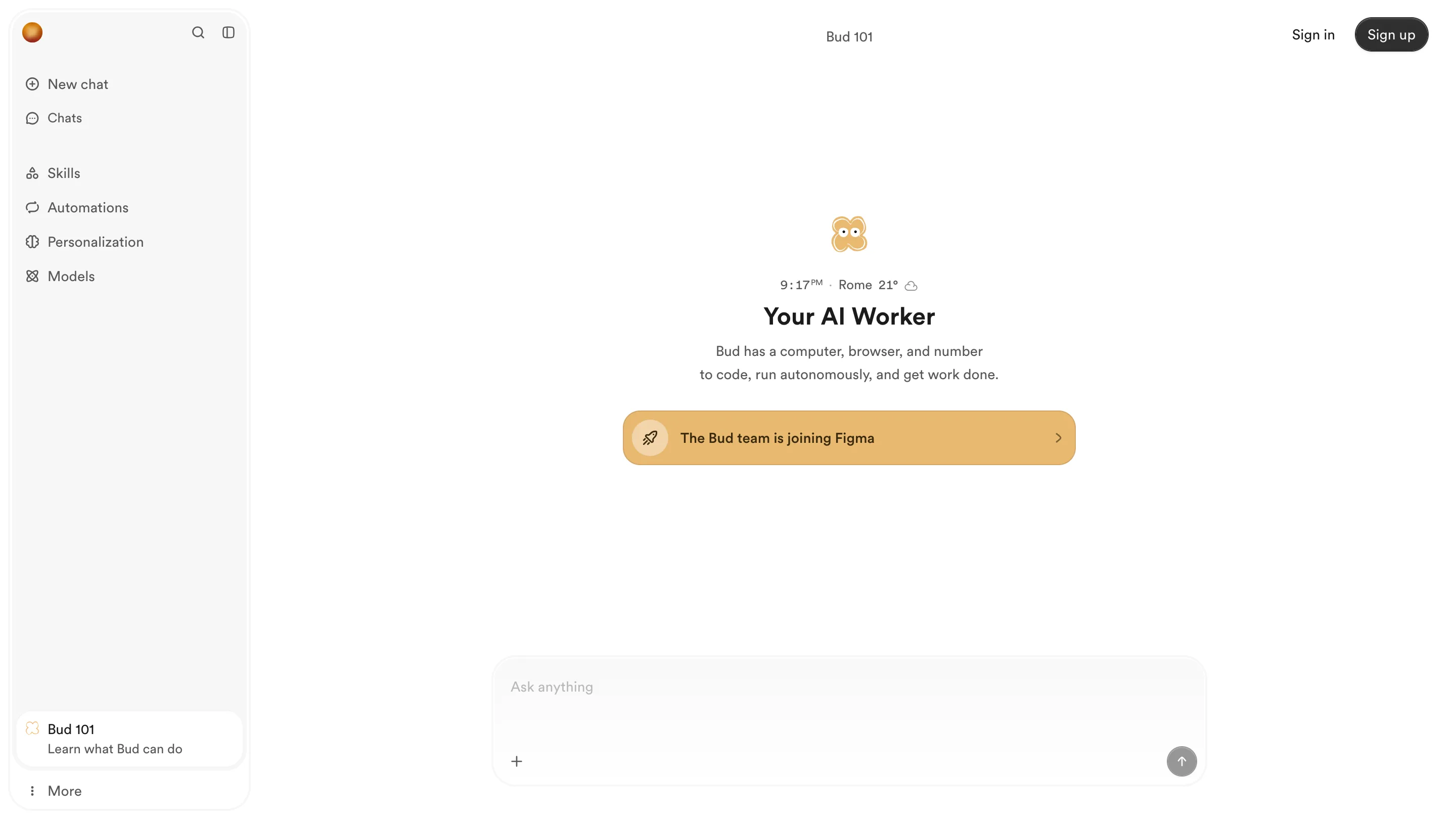
Figma announced it was taking on a team on 7 July. Eleven days later the apps that team was hosting stopped being served. The acquisition is the headline. The eleven days are the part I'd keep.
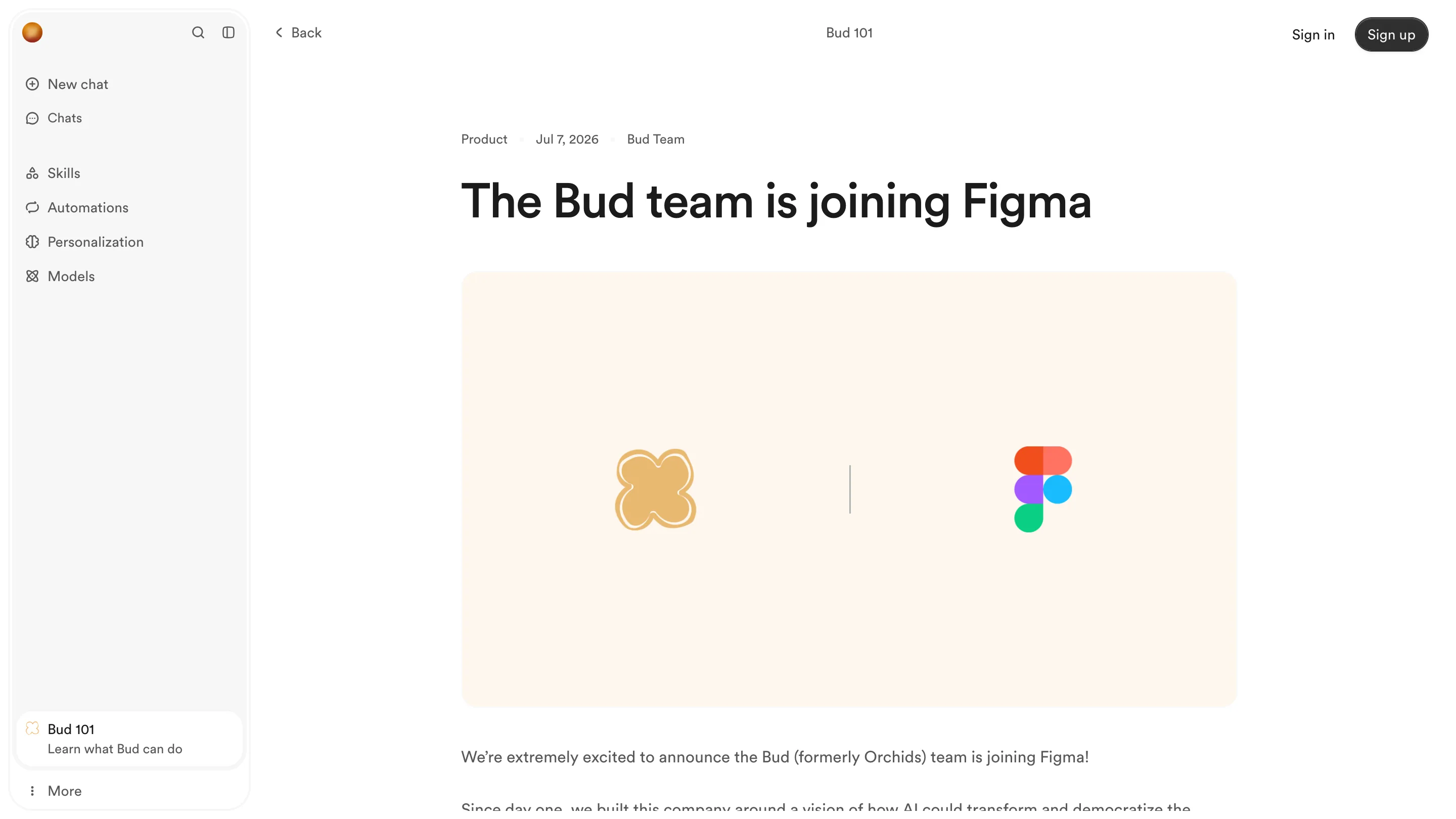
The team is Bud, formerly Orchids, a Y Combinator company led by Kevin Lu. Their post went up on 7 July, filed under Product, signed Bud Team, with a two-logo image at the top: the Bud clover on the left, the Figma marks on the right, a thin rule between them. The opening line is "We're extremely excited to announce the Bud (formerly Orchids) team is joining Figma". Terms weren't disclosed. The same post carries the shutdown notice. Bud and Orchids both stop on 18 July, and anything hosted there stops being deployed on that date.
What people had to do about it
Two options, both spelled out in the post, both with a walkthrough video attached. Download your project to your machine. Or push it to GitHub and redeploy it somewhere yourself. The team kept hello@orchids.app open for migration questions. As acquihire exits go that's an honest one, and it's still eleven days of notice for anything you had running for a client.
Orchids claimed a million users when the BBC covered it in February. Some of those projects were toys. Some weren't.
Why Figma wanted them
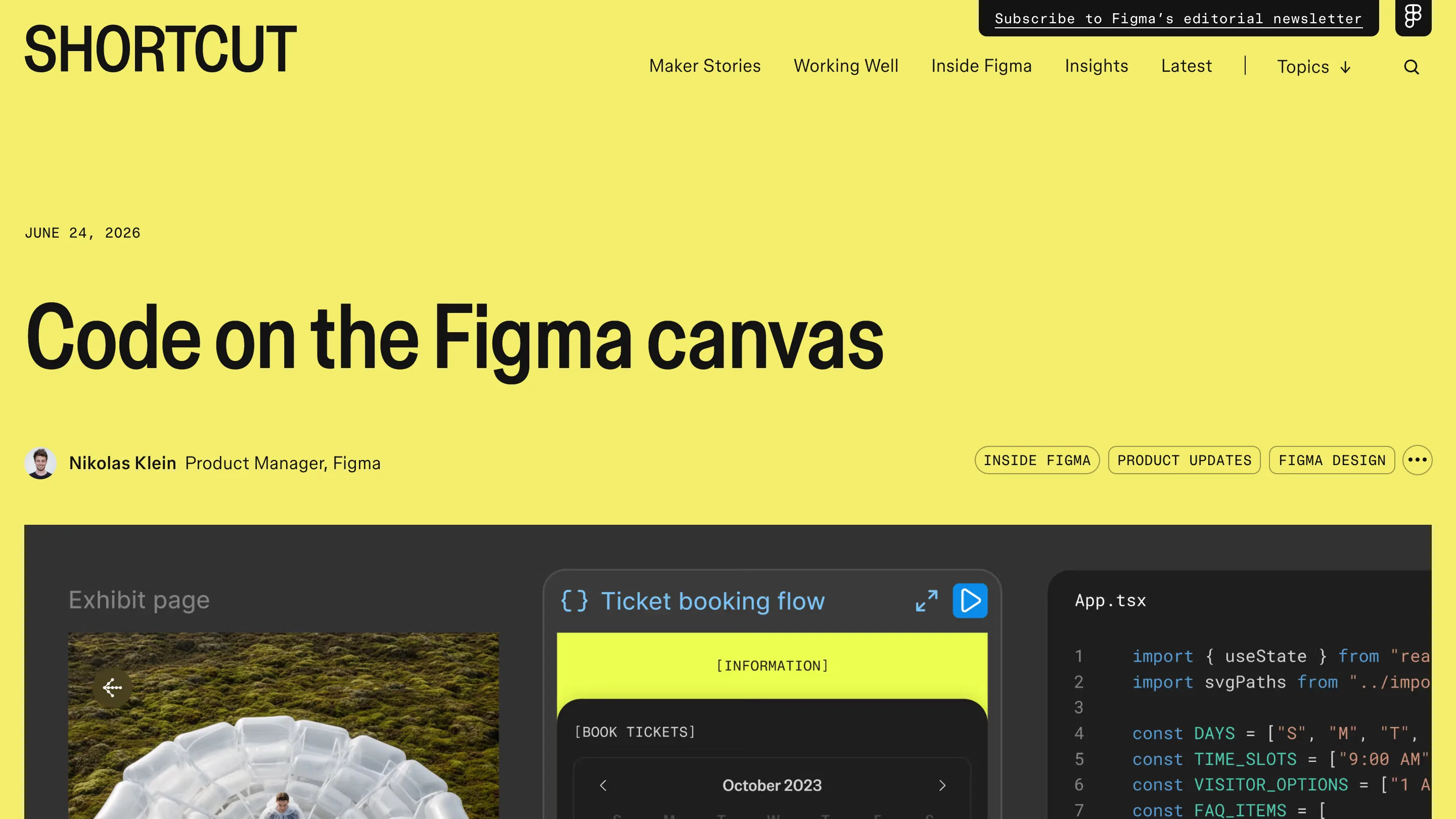
Look at what Figma shipped in the four weeks before. At Config on 24 June they put code layers on the canvas: generate code from a frame, or pull a repo in from GitHub, run two directions side by side, then hit extract designs and turn the running state back into editable Figma layers. Figma Motion landed the same day. On 9 July, GPT-5.6 went into Figma Make. Buying a team who spent a year getting people to build working apps from a prompt sits right on that line.
The Orchids footnote
In February the BBC ran a piece by Joe Tidy on a zero-click flaw in Orchids. Etizaz Mohsin, the researcher who found it in December 2025, used it to reach a project Tidy had started and from there the reporter's machine. Mohsin spent weeks trying to reach the company, roughly a dozen messages across email, LinkedIn and Discord. Orchids told the BBC they had "possibly missed" the warnings because the team was "overwhelmed with inbound".
What I take from it
Prompt-to-app tools are getting bought because they close the gap between a design file and a thing that runs, and that's genuinely useful to me. The catch is that most of them host the output too. When the tool is the studio and the server, an acquisition doesn't just end the roadmap, it ends the URL.
So the question I now ask before I start anything real in one of these: where does the code live when I'm done, and can I take it out today. Bud answered that with a GitHub button and a download, which is why 18 July was survivable. Not every tool in this category has one. Check before the client is depending on it, not eleven days after somebody signs.
Source and screenshots: Bud.
Featured: Bud